No products in the cart.
Italy: The Art Of Building Desire
By Camille Dubois
What Italian culture can teach brands about creating value beyond the object.
Italy has an extraordinary ability to make things matter.
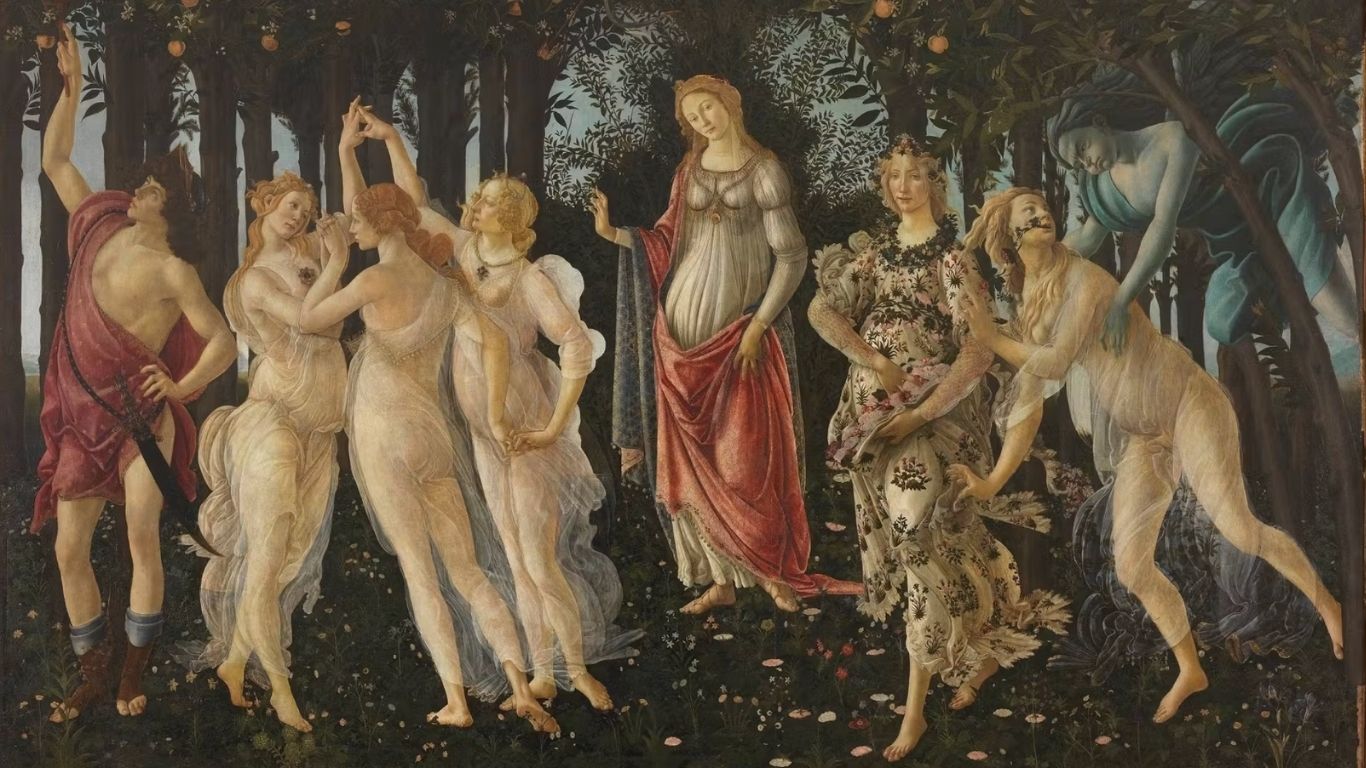
It is perhaps why so many of the names we associate with Italian excellence exist somewhere beyond the object itself. A Ferrari is a car, but it is also speed, status and Italian bravado. Prada turned industrial nylon into an object of luxury. Botticelli‘s paintings still shape our collective imagination of beauty more than five centuries after his death.
Different centuries. Different disciplines. A remarkably similar instinct: the object is never just the object. It carries a world around it.
That is what makes Italy such an interesting place to study branding. Because great branding does something remarkably similar. It takes what is already valuable about a product and gives people the visual language, story and emotion through which to understand that value.
We spent several weeks between Rome and Puglia looking at how Italy does it.
The product comes with a story
In Testaccio, Rome’s historic market district, we spoke with food artisans about a deceptively simple question: why is your product better?
The answers rarely began with superiority.
They began with provenance. An ingredient. A producer. A technique. A recipe. The amount of time something should take and, often, a very firm opinion about the way it should not be done.
That distinction matters.
What much of Italian craftsmanship understands instinctively is that process creates perceived value when people are allowed to see it.
The lesson for brands isn’t to manufacture an artisanal backstory. It is to ask a much more useful question:
What is already remarkable about what we do that our customers cannot currently see?
A material. A method. A founder’s obsession. A place. A detail that costs more. A decision that makes production slower but the product better.
Good brand storytelling doesn’t invent significance, it reveals it.
Rome: repetition creates recognition
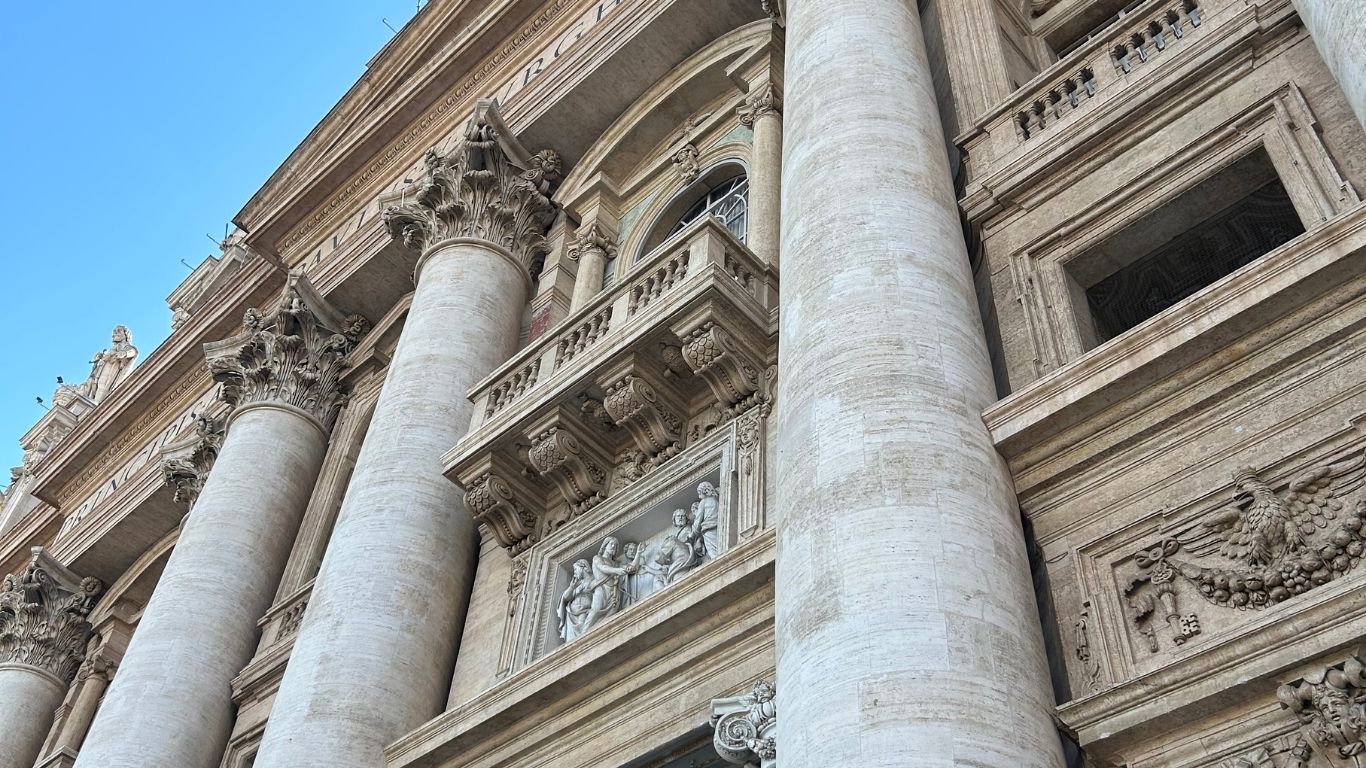
Walk through the Vatican Museums, a Roman church or a palazzo and certain visual codes appear repeatedly: marble, gold, proportion, religious symbolism, particular colours and forms.
Centuries apart, they still speak to one another, and the strongest brands understand the same principle.
They establish codes and repeat them until recognition becomes almost instinctive. A colour can identify a brand before its name appears. A silhouette can become proprietary. Photography, typography, language and even the way a product is presented can become recognizable assets.
Fashion is particularly good at this. Prada does not reinvent what Prada means every season. Ferrari does not need a new personality for every campaign. They evolve a world people already recognize.
In marketing, we often overvalue novelty and undervalue memory. Consistency is not the enemy of creativity. Done properly, it is how a brand becomes culturally legible.
When place becomes the brand
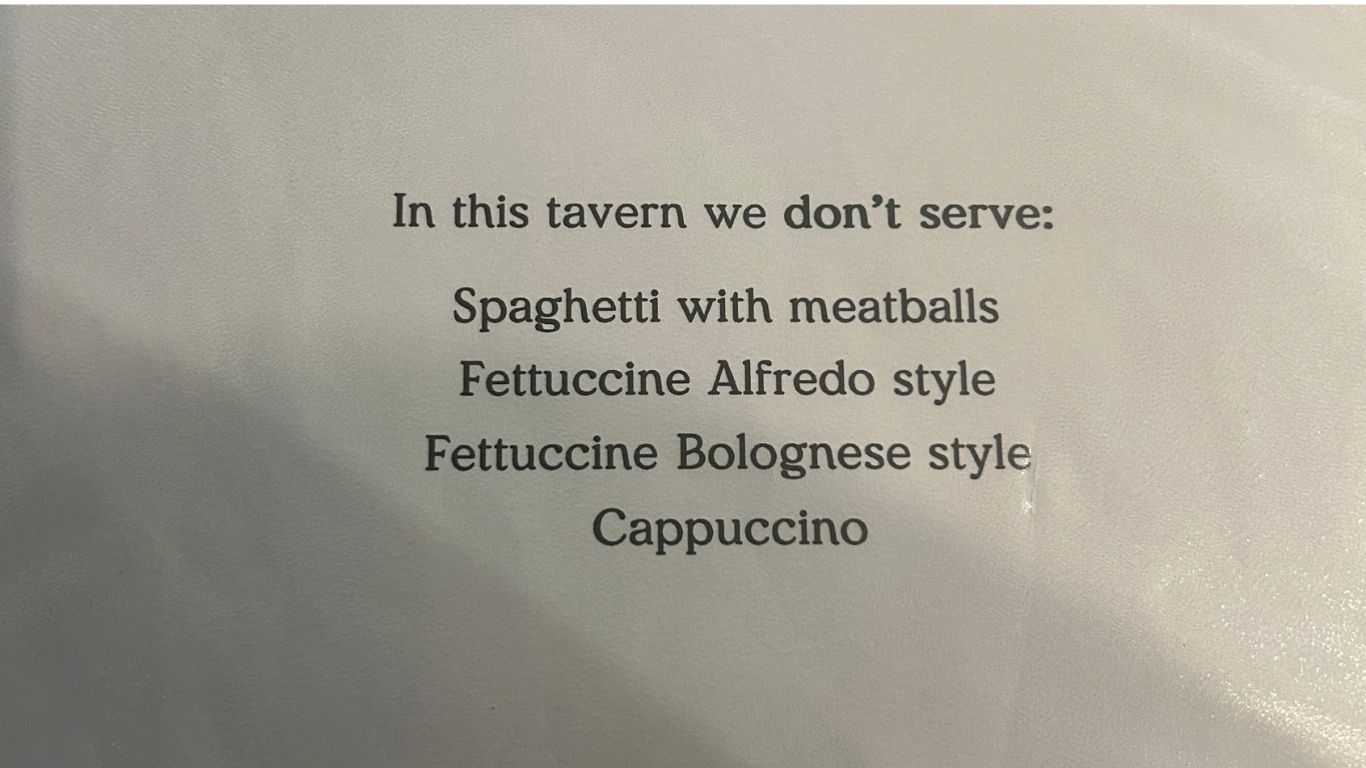
In Tuscany, speaking with winemakers around Montalcino, we kept coming back to what made one wine different from another. The answer was rarely just taste.
They spoke about the vineyard, the soil, the exposure, the years, the family behind it. And, of course, Montalcino.
Brunello di Montalcino can only be produced within the territory of Montalcino, from Sangiovese grapes grown there. Even within this small area, producers talk about different soils, elevations and microclimates to explain what makes their wine their own.
There is something very Italian about this attachment to place. Travel south to Puglia and you see it again, this time rather than through wine, through architecture and craft.
In Lecce, Gallipoli and the towns around them, local stone, carved façades, ceramics, masserie and traditional craftsmanship are everywhere. Naturally, they have also found their way into the identities of restaurants, hotels and brands.
What interested us was how little of it felt like “branding”. Nobody needed to invent a visual language for Puglia. It was already there.
For brands, that might be one of Italy’s most useful lessons: before looking for a new identity, look at what is already yours.
Dolce & Gabbana: when context becomes communication
Dolce & Gabbana‘s Alta Moda show in Rome in summer 2025 offered perhaps the clearest contemporary expression of this thinking. The house staged the collection along the Via Sacra in the Roman Forum, placing couture against the physical remains of imperial Rome. It could easily have become an expensive backdrop. Instead, the clothes entered into conversation with it.
Classical draping met armour-like constructions. Gold, velvet, chiffon and elaborate embellishment pushed the collection somewhere between antiquity, cinema and fantasy. Roman imagery appeared throughout, while the ruins transformed the procession into something closer to spectacle than a conventional runway.
It was excessive, certainly. But excess has always been part of Dolce & Gabbana’s vocabulary.
That is precisely why it worked.
The house has spent decades building its own mythology from Italian references: Catholic iconography, Sicilian sensuality, black lace, gold, family, tailoring, devotion and provocation.
Rome didn’t give Dolce & Gabbana an identity for the evening, but it sure gave it so much gradiosity.
And there is an important marketing distinction there. A spectacular campaign can make people look.
A strong brand ensures that what they remember could only have belonged to you. And a superb romantic show with the Vatican in background, and firework? Well, it does perfectly its job. Extravagant but meaningful.
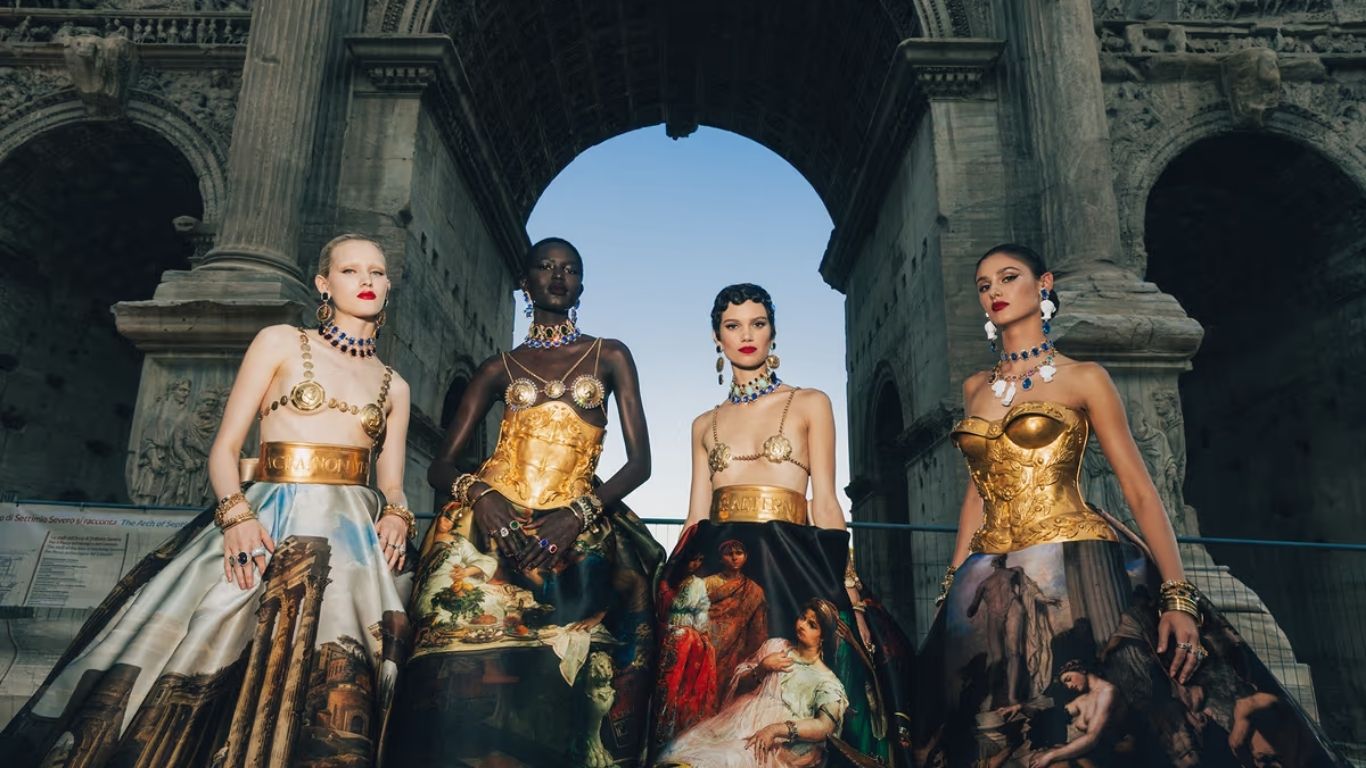
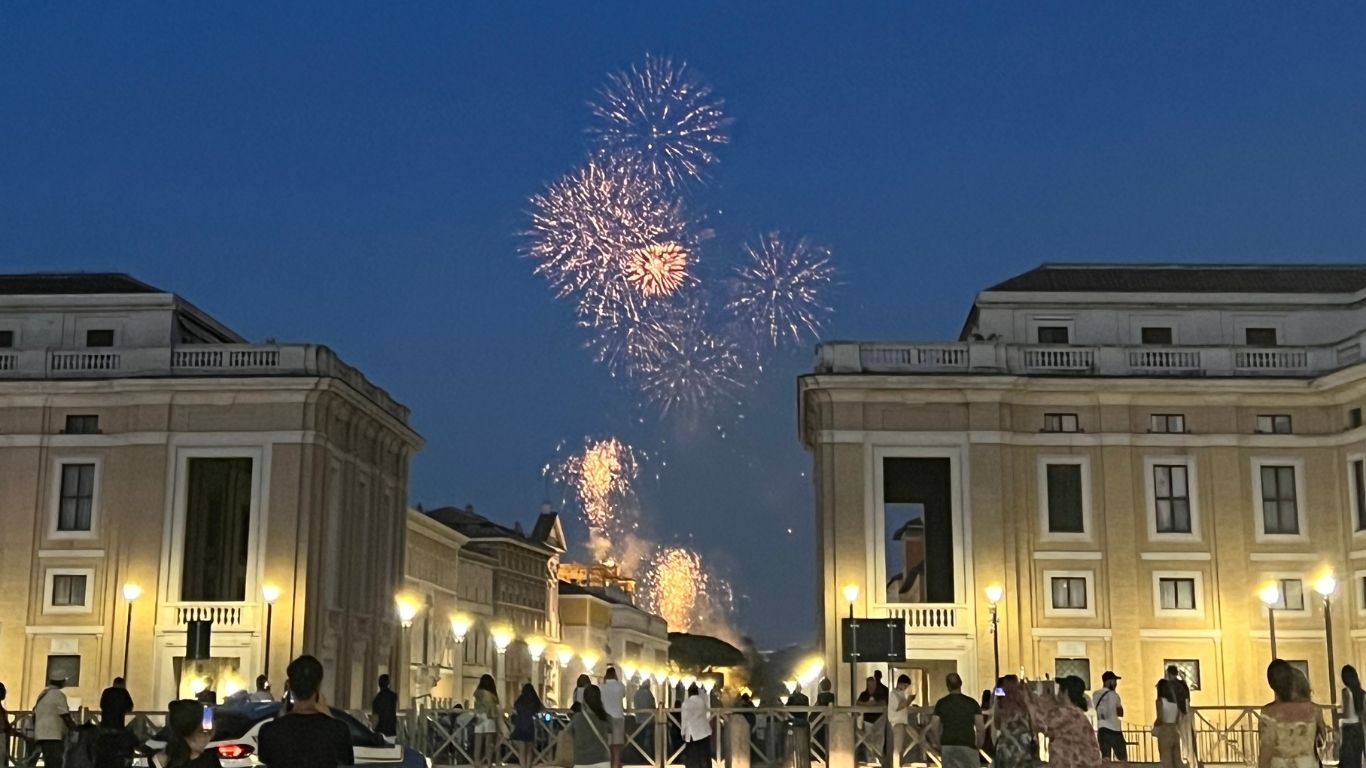
Dolce & Gabbana Alta Moda July 2025, Rome
The Italian lesson
Across an artisan counter in Testaccio, a museum in Rome, a restaurant in Puglia or a couture runway, the same principle kept resurfacing:
Value is not only created, it is communicated.
Italy is particularly skilled at taking craftsmanship, history, place and point of view and turning them into something people can recognize and desire. This is ultimately what branding should do.
Not decorate a product after it has been made, but construct the language through which people experience it.
At VAO Agency, we help brands find that language: defining the visual codes, stories, creative direction and communication strategy that turn a good product or idea into a recognizable world.
Because people need to understand what you sell.
But the brands they remember make them feel why it matters.