
No products in the cart.
The Label We Misread: What « Made in China » Actually Means Now

Separating the stereotype from the reality of Chinese manufacturing and where the real opportunity sits today
By Camille Dubois
Say « Made in China » to most Western consumers and a specific picture forms before the sentence even finishes: plastic, disposable, cheap. Not a judgment about one factory or one product — a judgment about an entire country, one of the largest and most industrially diverse on earth, condensed into a single texture. Some of that picture is earned; there have been real failures, and they’re worth naming honestly. But the picture is also incomplete, frozen at the low end of a spectrum that runs much further than most people realize.
How the Perception Formed
China’s modern manufacturing boom began with the 1978 reforms that opened the country to foreign investment, and accelerated hard after its 2001 entry into the WTO. What followed wasn’t China deciding to make cheap goods — it was the rest of the world deciding to buy cheap goods from China. Western brands moved production there specifically because it let them cut costs, and a great many of them specified exactly the corner-cutting they wanted: thinner plastic, lower-grade materials, tighter margins passed down the supply chain. The factories built precisely what was ordered and paid for. When a dollar-store toy fell apart in a week, that wasn’t a ceiling on Chinese capability, it was the buyer’s brief, executed faithfully.
Genuine failures did happen and did real damage to the reputation — the 2007 lead-paint toy recalls, the 2008 melamine milk contamination — and they deserve to be named plainly. So do the labor conditions behind some of that manufacturing: the 2010 wave of suicides at Foxconn’s Shenzhen plants, where employees assembling iPhones and other Western electronics were working brutal, monotonous shifts for wages that didn’t match the hours, forced the company and its clients, Apple included, into years of audits and reform they should have run long before workers had to die to prompt them. That history is real, and any honest account of Chinese manufacturing has to hold it alongside the rest, not around it.
What that reputation obscured is less the mass-market electronics story, which the West has always known about, and more the parts of China it rarely sees at all: a city like Jingdezhen, which has been firing porcelain for over a thousand years and still trains apprentices through the same roughly seventy-step process that supplied the imperial court, or the agronomist Yuan Longping, whose hybrid rice varieties are now grown in more than seventy countries and are credited with helping feed tens of millions of people a year. Neither of those has anything to do with cheap plastic. Both are as Chinese as the factory floor.
There’s also a less comfortable piece of this: a lot of what’s labeled « Made in Italy » or « Made in France » is partially made in China, by the same specialist ateliers whose embroidery, leatherwork, or beading skill doesn’t exist at scale anywhere else — finished and stamped elsewhere for the final leg.
The Real Range
China is one of the only places on earth where you can find every tier of quality at once, because it’s not one manufacturing base — it’s thousands of them, at wildly different levels of specialization, serving wildly different clients.
At one end: DJI, the Shenzhen drone maker that holds something like 70 percent of the global consumer drone market — not because it’s cheap, but because nobody else builds a better flying camera. CATL, the world’s largest EV battery manufacturer, supplying cells to nearly every major automaker on earth, including the Western ones building « local » electric vehicles. China’s high-speed rail network, the largest and among the most punctual in the world, built and engineered domestically at a scale no other country has attempted.
And then there’s the part almost nobody outside the industry gets shown: Guo Pei, the Beijing couturier who dressed Rihanna for the 2015 Met Gala in a hand-embroidered cape that took two years and roughly 50,000 hours to construct, and who became, the following year, the first Chinese-trained designer inducted into Paris’s Chambre Syndicale de la Haute Couture — the body that decides what haute couture even means. Or Shang Xia, the design house Hermès co-founded in Shanghai in 2010 to translate Ming-dynasty furniture proportions and traditional Chinese craft techniques into a contemporary lifestyle brand, because the group saw a caliber of craftsmanship worth building a maison around.
Where Scale and Craft Collide and Why That’s the Advantage
The friction between mass production and true craftsmanship is real, and it’s what makes China unusual instead of what disqualifies it. Shenzhen’s hardware ecosystem can take a prototype from sketch to working sample in days, because the component suppliers, the specialist assemblers, and the finishing workshops all sit within the same few square kilometers — a density of capability no other manufacturing hub, including anything in the US or Europe, matches. That density lets a founder iterate ten times before a Western factory would have quoted the first run.
The clash comes when brands ask that ecosystem for craftsmanship-tier output while paying dollar-store prices — the actual mechanism behind most « Made in China » quality failures. It isn’t a capability gap. It’s a specification and payment gap. Ask for precision, pay for precision, verify the process, and the same supply chain that makes disposable plastic will build you something extraordinary. The country’s advantage isn’t that it’s cheap. It’s the only place where world-class craft and world-class scale exist inside the same postal code, available to anyone who engages with which factory they’re actually working with, instead of treating the whole country as one interchangeable price point.
What We Heard in Shanghai and Beijing
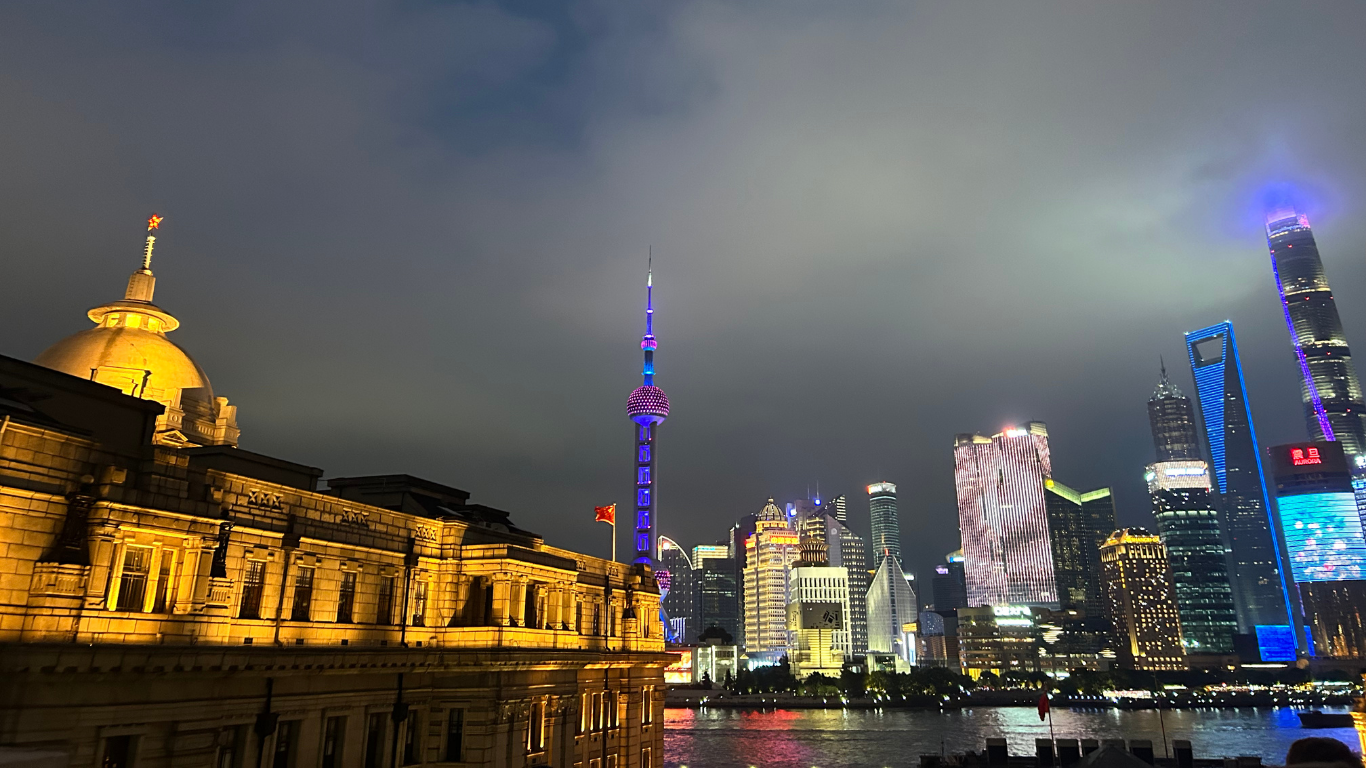
We spent time on the ground in both cities, sitting with artisans in their workshops and with the businesspeople trying to sell their work — and their country — to the West, and the gap between the two conversations was its own kind of education. The artisans talked in decades: apprenticeships, materials, the specific hand movements passed down through a family or a workshop lineage. The businesspeople talked in something closer to translation — how to make that same decades-long patience legible to a Western buyer used to reading « handmade » as a marketing word, not a literal description.
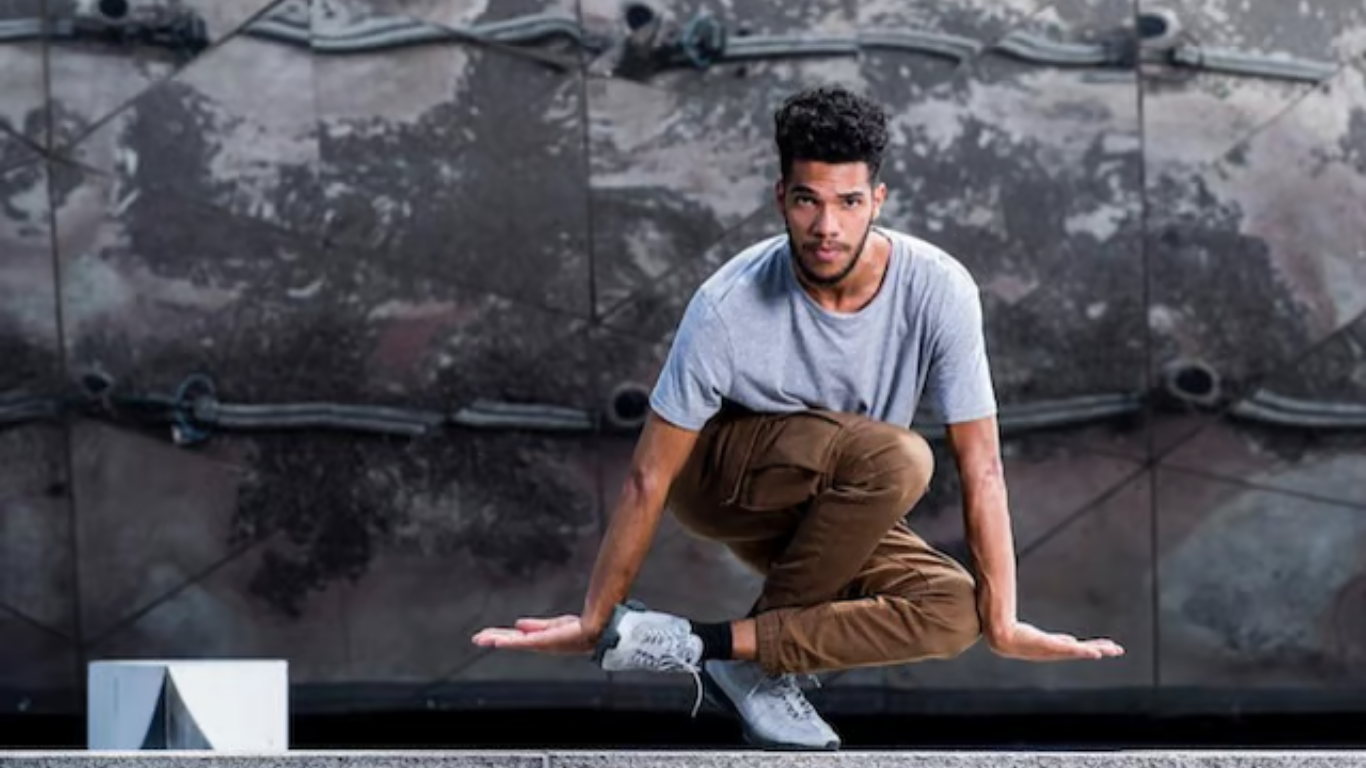
One conversation has stayed with me since. A businessman originally from Shenzhen, now working across both cities, put it more bluntly than anyone else did: what he thought China still lacked wasn’t skill or ambition, it was the specific kind of individuality that France, in his view, had spent centuries mastering — the permission for an artist to be strange, singular, unrepeatable, instead of excellent within a known form. He wasn’t talking about manufacturing. He was talking about art. He’d started funding dance programs and bringing in foreign choreographers and teachers to work directly with young Chinese dancers — not to import a Western style wholesale, but to show a generation trained inside a very consistent tradition that a body, a piece, a voice could simply be its own thing. He was betting his own money and time on the idea that art’s next chapter in China needs that individual voice built in on purpose, not left to appear on its own.
A Market Finally Being Looked At Properly
Something has shifted in the last few years. International buyers, investors, and brand builders are looking past the stereotype, partly because platforms like DJI, Anker, and Shein have shown that Chinese companies can go direct to global consumers and win on product, not just price, and partly because the old assumption — design in the West, manufacture cheaply in China, sell the difference — looks more fragile every year as Chinese manufacturers build their own IP, their own brands, and their own routes to market.
That opens real opportunity for foreign brands too, but only for the ones willing to do it properly. Doing it ethically means building direct relationships with audited, Tier 1 manufacturers instead of anonymous sourcing platforms — verifying labor conditions and factory standards firsthand instead of taking a broker’s word for it, protecting intellectual property through Chinese-registered trademarks and enforceable local contracts instead of assuming Western paperwork travels, and paying for the quality control that prevents the « quality fade » that gave the whole country its reputation in the first place. None of this is exotic. It’s the same diligence any serious manufacturing partnership requires anywhere — it just hasn’t been applied consistently to China, because it was easier to treat the entire country as a price point than as a market with its own tiers, specialists, and standards.
The Bottom Line
« Made in China » was never a quality verdict. It was a Western buying decision, worn as if it were a national trait. The country that makes the world’s disposable goods is the same country building the world’s batteries, its most dominant consumer drones, and hand-embroidered couture that took two years to finish. Which one you get was never about the country. It’s about who you build the relationship with, what you’re willing to pay for, and how closely you look.
Crossing Into a New Market?
We’ve helped brands figure out how to talk to a market that isn’t their own.
We’re here to do the same for you!
We’re here to do the same for you!