
No products in the cart.
The Netherlands: Creativity as Infrastructure

By Camille Dubois
In the Netherlands, creativity rarely exists for decoration alone. It is expected to do something.
That distinction becomes clear quickly when spending time in the country. Across our visits — meeting clients, attending cultural events such as summer dance forever, and speaking with designers and creatives — we encountered a creative culture that feels remarkably comfortable moving between disciplines. Art meets technology. Design meets business. Music occupies public space. A visual identity can become a system; an experiment can become a product. All charachteristics and strategies global companies can apply and learn from.
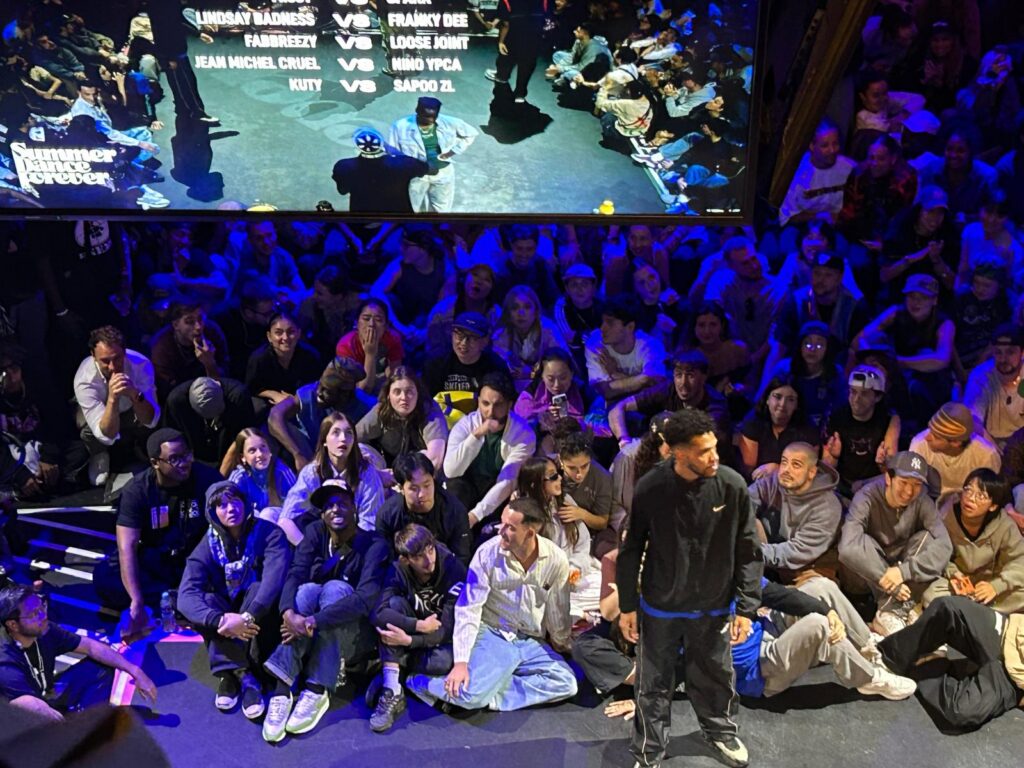
This is not accidental. The Netherlands has spent decades building an international reputation around design that is conceptual, unconventional and solution-driven. Its creative industries have also been formally recognised as an important engine for innovation, with particularly strong intersections between design and digital technology.
Perhaps the most interesting Dutch characteristic is a willingness to question the obvious.
Rather than asking How can we make this look better?, Dutch creative thinking often begins with Why does this need to exist this way at all?
You see it in architecture, fashion, graphic design, digital experiences and the country’s internationally recognised design institutions. Dutch Design Week, for example, has historically placed experimentation, emerging talent and ideas about the future at the centre of its programme rather than treating design simply as finished objects.
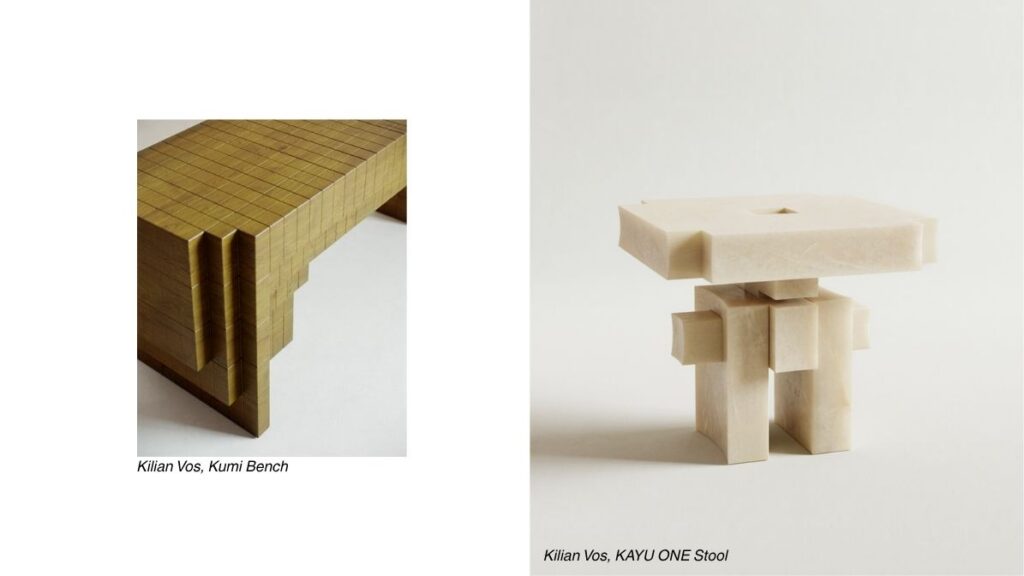
We recognised the same instinct in conversations with independent creatives such as designer Kilian Vos, whose practice moves across objects and CGI rather than sitting neatly within a single traditional category. It reflects something broader about the Dutch creative landscape: disciplines are increasingly fluid, and technology is not positioned opposite creativity but used as another material through which ideas can be expressed.
For marketers, there is an important lesson here.
Innovation is most convincing when it is embedded in the idea, not added to the communication afterwards.
The Dutch approach reminds brands that standing out does not necessarily require louder campaigns or more content. Sometimes it requires reconsidering the format itself: the experience, the platform, the visual language, the collaboration or even the role a brand chooses to play within culture.
In a market accustomed to experimentation, audiences can recognise when “innovation” is merely aesthetic. The stronger opportunity is to build brands that are genuinely curious — willing to test, collaborate and challenge conventions while remaining useful.
What’s next?
If you are planning to launch a brand in the Dutch market or looking forward to work with innovative tastemakers, you are at the right address. Contact us to learn more via email at contact@vao-agency.com